Society / Gen Z Preference
Societal shifts, narratives, and public-interest developments. Topic: Gen-Z-Preference. Updated briefs and structured summaries from curated sources.
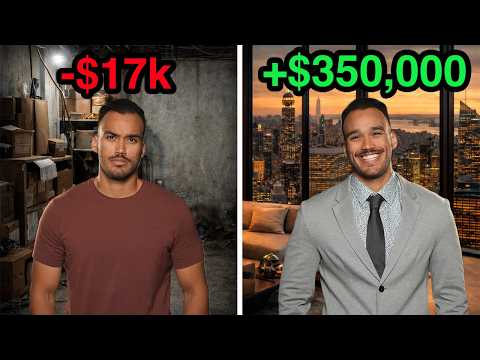
Rich Gen Z vs Poor Gen Z
Full timeline
0.0–300.0
Andrew, a 25-year-old living in Los Angeles, has a negative net worth of $15,000 and pays $1,200 monthly in rent. His income, after taxes, leaves him with little room for savings or discretionary spending, as housing costs consume a significant portion of his earnings.
- Andrew is in the bottom 10% of net worth for people under 30, with a negative net worth of $15,000. He is 25 years old and lives in Los Angeles, sharing an apartment
- His rent is about $1,200 a month, totaling $14,400 annually. In Los Angeles, this is considered reasonable, but the median rent for a one-bedroom is over $2,300 monthly
- Andrew has a college degree and works full-time at a marketing agency, earning in the low to mid $40,000 range. After taxes and deductions, his take-home pay is around $2,700 to $3,000 a month
- His negative net worth reflects the debt he carries, including student loans averaging around $30,000 for borrowers under 30. Monthly payments of $300 to $350 primarily go towards interest rather than reducing the principal
- Andrew also has credit card debt, which is increasingly common among young adults. Even a modest balance of $3,000 can incur over $600 in interest annually if not paid down aggressively
- Housing costs exceed 30% of income for many young renters. For Andrew, rent alone approaches 40% of his take-home pay, leaving little room for discretionary spending or savings
300.0–600.0
Andrew and Stefan represent contrasting financial realities among Gen Z, with Andrew struggling under debt and high living costs while Stefan enjoys significant wealth and financial stability. Both experience the emotional toll of social media comparisons, which exacerbate feelings of inadequacy despite their differing circumstances.
- Andrew feels the pressure of social media, where everyone appears to be thriving. He is statistically close to the median Gen Z net worth
- Paying down debt does not feel like a victory for Andrew. He struggles to find ways to celebrate his financial progress on social media
- Stefan represents a self-made wealthy Gen Z individual, with a net worth of around $300,000. He works as an investment banker in New York City
- Stefans financial success comes from early investments and a strong understanding of cash flow. This knowledge allows him to manage high living expenses without significant stress
- Despite his wealth, Stefan often compares himself to entrepreneurs and executives. He feels inadequate when he sees their financial achievements and lifestyle choices
- Both Andrew and Stefan experience the impact of social media on their perceptions of success. This highlights the emotional challenges that accompany financial disparities among their generation
600.0–900.0
Many individuals in their twenties experience near zero or negative net worth due to student debt and early career challenges. The median net worth for those under 30 is approximately between $15,000 and $30,000, indicating that significant financial improvement is possible over time.
- Most people in their twenties relate more to one individual than another, as many have near zero or negative net worth. This situation is common for young adults coming out of school with debt and just starting to earn money
- A net worth of $300,000 may seem low for the top 10%, especially when compared to social media portrayals of wealth. Many young professionals have made solid choices, but they often had some advantages early on
- Achieving a high net worth requires a combination of hard work and favorable circumstances. Its important to recognize that while this trajectory is possible, it is not the norm for most young adults
- Focusing on reaching the top percentage of your age group may not be a worthwhile goal. Instead, individuals should concentrate on the lifestyle they want to lead, which may require less money than they think
- Improving financial stability from a challenging situation to something more secure is achievable. Many young adults have the potential to make significant progress in their twenties
- The median net worth for individuals under 30 is roughly between $15,000 and $30,000. If someone is near or above this range, they are doing well, and those below have ample time to improve their financial situation